We are the resin manufacturer you need!

Industry News

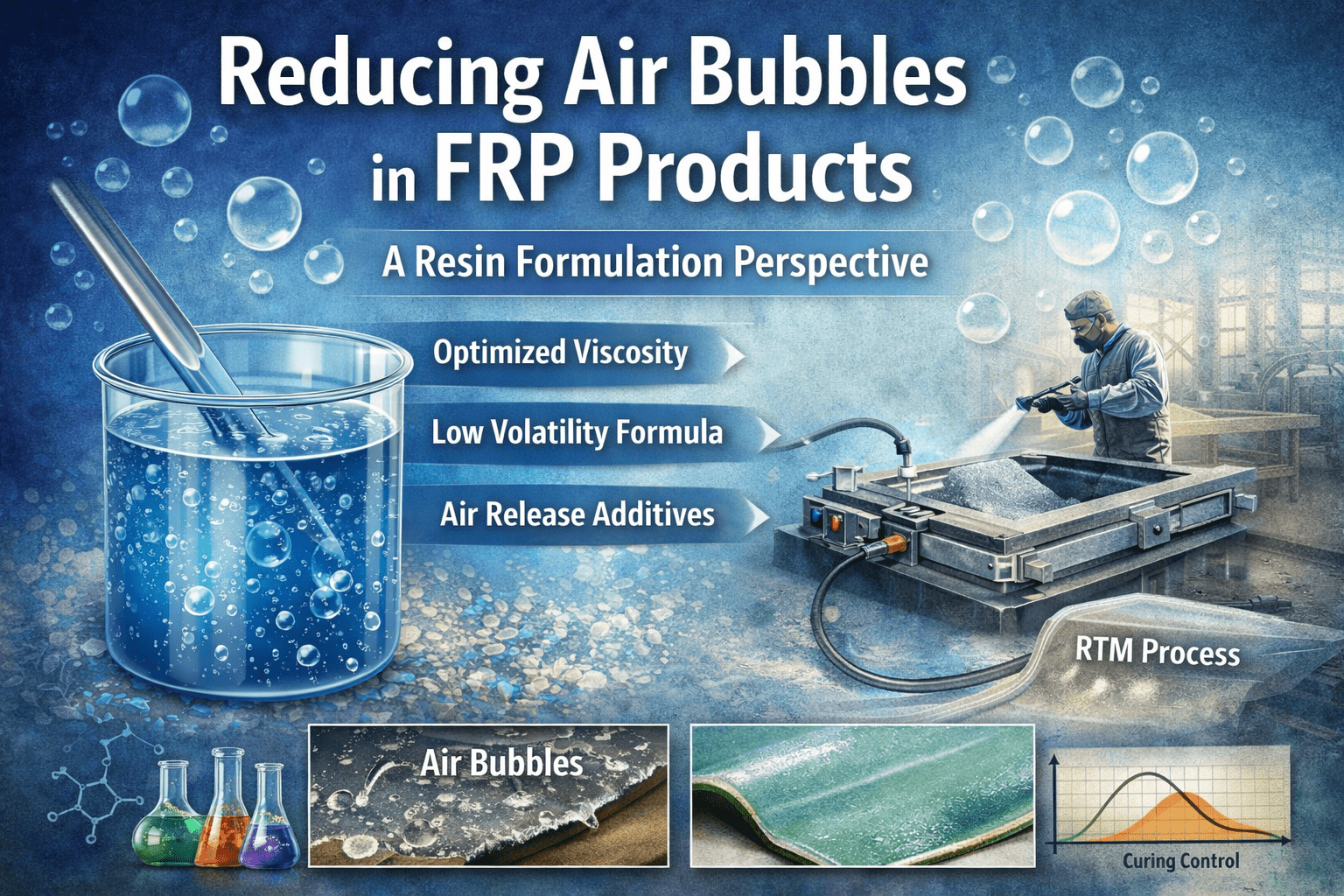
How to Reduce Air Bubbles in FRP Products:A Resin Formulation Perspective

Air bubbles in FRP products can be effectively minimized through optimized resin formulation design rather than relying solely on processing adjustments. Key factors such as resin viscosity, volatile content, curing kinetics, and gas release behavior play a critical role in bubble formation. By controlling viscosity within an optimal range, reducing volatile components, applying compatible defoaming and air-release additives, and managing exotherm and gelation rates, resin systems can achieve better fiber wet-out, smoother air escape, and improved laminate integrity. Process-specific formulation design ultimately leads to enhanced surface quality, higher mechanical performance, and more stable, reliable FRP production.

Read More »

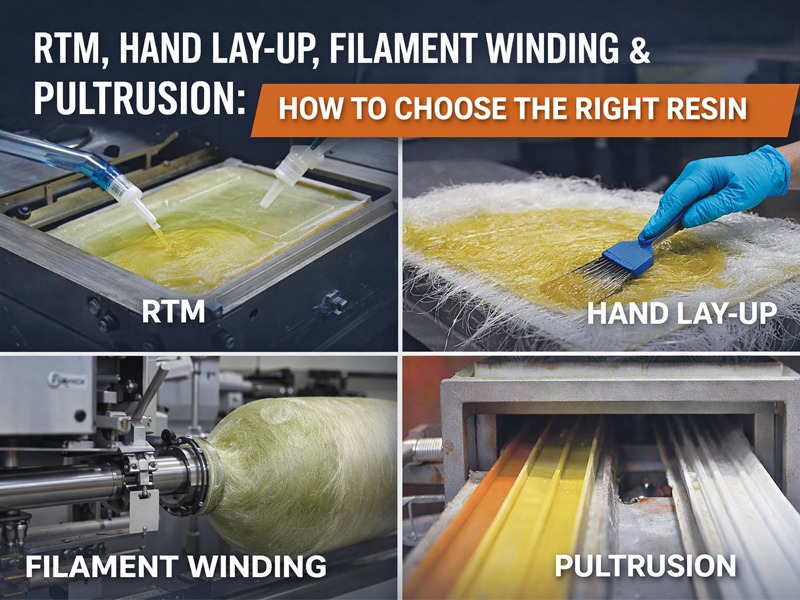
RTM, Hand Lay-Up, Filament Winding and Pultrusion: How to Choose the Right Resin

Choosing the right resin is essential for achieving optimal performance and production efficiency in composite manufacturing. Different processes—RTM, hand lay-up, filament winding, and pultrusion—place distinct demands on resin viscosity, curing behavior, mechanical strength, and chemical resistance. By aligning resin characteristics with specific process requirements, manufacturers can improve fiber wet-out, surface quality, structural integrity, and long-term durability. A process-oriented resin selection strategy enables more stable production and higher-quality composite products across automotive, industrial, construction, and corrosion-resistant applications.

Read More »

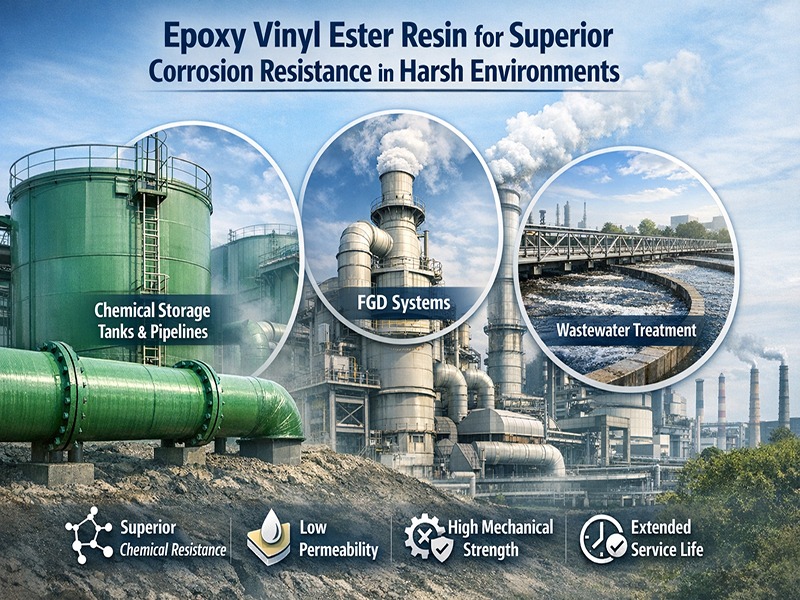
Why Epoxy Vinyl Ester Resin Performs Better in Highly Corrosive Environments

Epoxy vinyl ester (VE) resin offers superior performance in highly corrosive environments compared with conventional unsaturated polyester resin (UPR). Its strong molecular structure, low permeability, and excellent chemical, acid, alkali, and solvent resistance make it ideal for FRP applications such as chemical storage tanks, pipelines, flue gas desulfurization systems, and environmental protection equipment. VE resin also provides enhanced mechanical strength, crack resistance, and long-term durability. Tailored for processes like filament winding, hand lay-up, RTM, and lining, VE resin ensures reliable, long-lasting, and corrosion-resistant composite solutions for industrial and environmental applications.

Read More »

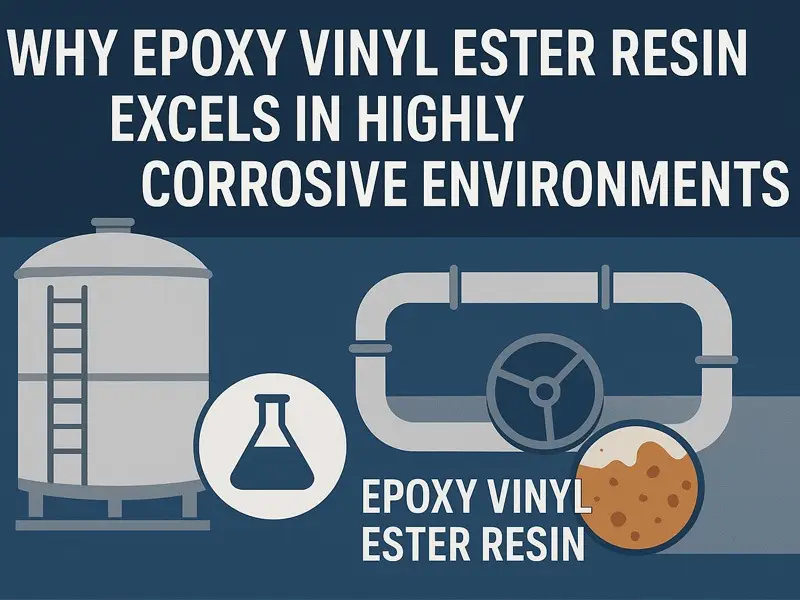
Why Epoxy Vinyl Ester Resin Excels in Highly Corrosive Environments

Epoxy Vinyl Ester Resin excels in highly corrosive environments due to its crosslinked molecular structure, superior chemical resistance, thermal and mechanical stability, and reduced microcracking compared with conventional Unsaturated Polyester Resin (UPR). Its dense polymer network limits chemical penetration, while its epoxy and vinyl ester components provide toughness and durability. Widely used in chemical storage tanks, pipelines, flue gas desulfurization units, and environmental protection equipment, VE resin ensures long-term reliability, structural integrity, and extended service life under aggressive industrial conditions.

Read More »

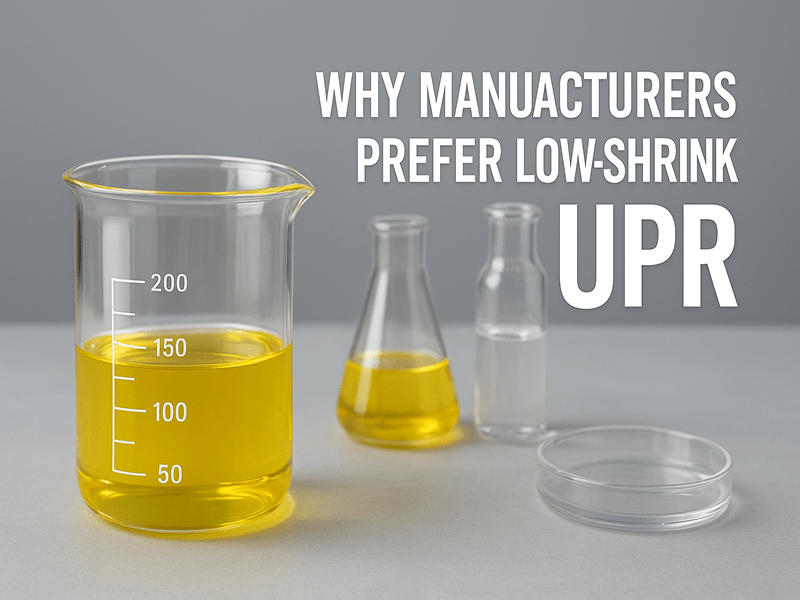
Why Manufacturers Are Choosing Low-Shrink UPR for Next-Generation Composites

Low-shrink unsaturated polyester resin (UPR) is increasingly favored in composite manufacturing for its ability to minimize curing shrinkage, reduce surface defects, and improve dimensional stability. Its optimized polymer structure, additives, and viscosity deliver superior fiber wet-out, mold accuracy, and mechanical performance. Widely used in sanitary ware, automotive components, FRP tanks, pipelines, and SMC/BMC molding, low-shrink UPR enhances surface finish, reduces internal stresses and microcracks, and ensures long-term durability. By offering stable curing behavior and process compatibility, it helps manufacturers achieve higher-quality, defect-free composites with improved production efficiency.

Read More »

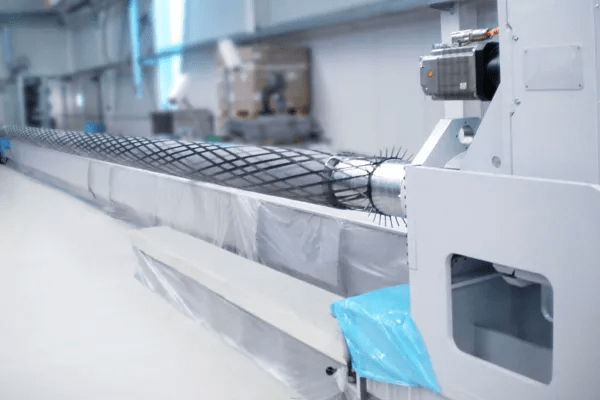
What Is Filament Winding Resin? Properties, Types, and Applications Explained

Filament winding resin is a thermosetting polymer specifically formulated for the filament winding process, where continuous fibers are impregnated and wound onto a mandrel to create strong, lightweight, and corrosion-resistant composites. Key properties include high tensile and flexural strength, excellent fiber adhesion, chemical and thermal resistance, controlled viscosity, and dimensional stability. Common types include unsaturated polyester, vinyl ester, epoxy, and phenolic resins, each suited for applications ranging from chemical tanks and pipelines to aerospace, marine, and energy storage components. Filament winding resins enable weight reduction, long-term durability, low maintenance, and high process reproducibility, making them essential for modern industrial, marine, and high-performance engineering applications.

Read More »

What Is Faux Marble: Meaning, Material, and Durability

Faux marble is a durable, low-maintenance alternative to natural marble, made from resin, fillers, and pigments for customizable colors and patterns. Widely used in interiors, sanitary ware, and architecture, it combines beauty with performance. Zhongtritium provides high-quality resins to create long-lasting, cost-effective faux marble products.

Read More »
casting resin

Casting Resin: The Science, Applications, and Industry Outlook

Casting resin is a versatile thermosetting polymer that cures into strong, durable, and corrosion-resistant components. Available as unsaturated polyester, vinyl ester, or epoxy, it serves industries ranging from sanitary ware and construction to marine, automotive, and creative applications. Zhongtritium provides high-quality, customizable casting resins with exceptional durability and aesthetic appeal, supporting global manufacturing and design needs with innovation, scale, and reliability.

Read More »
BMC-Molding-Process

Understanding BMC Molding Resin: The Go-To Material for High-Precision, High-Strength Applications

Bulk Molding Compound (BMC) resin is transforming modern manufacturing with its unique combination of strength, precision, and reliability. As a glass-fiber reinforced thermoset composite, BMC offers excellent moldability, heat resistance, and electrical insulation—making it the material of choice across industries such as automotive, electrical, sanitary ware, and home appliances. With rising demand for lightweight, flame-retardant, and eco-friendly materials, BMC continues to play a vital role in next-generation product development.

Read More »

Keep In Touch

Feel safe and free to fill in the form! We do not sell, trade or transfer your personally identifiable information to any external parties.

Search